
Cross Roller Bearing Trust Center
Use one evidence hub to distinguish official manufacturer references, TFL review workflows, real operational media, illustrative technical visuals, and public technical examples before sending an RFQ.
Four Trust Assets Buyers Can Check
Each asset is labeled by what it proves and what still requires request-specific validation.
Official source directory
Manufacturer catalogs support shared terminology and published parameters; TFL-specific configuration still follows RFQ review.
Real photo versus illustration
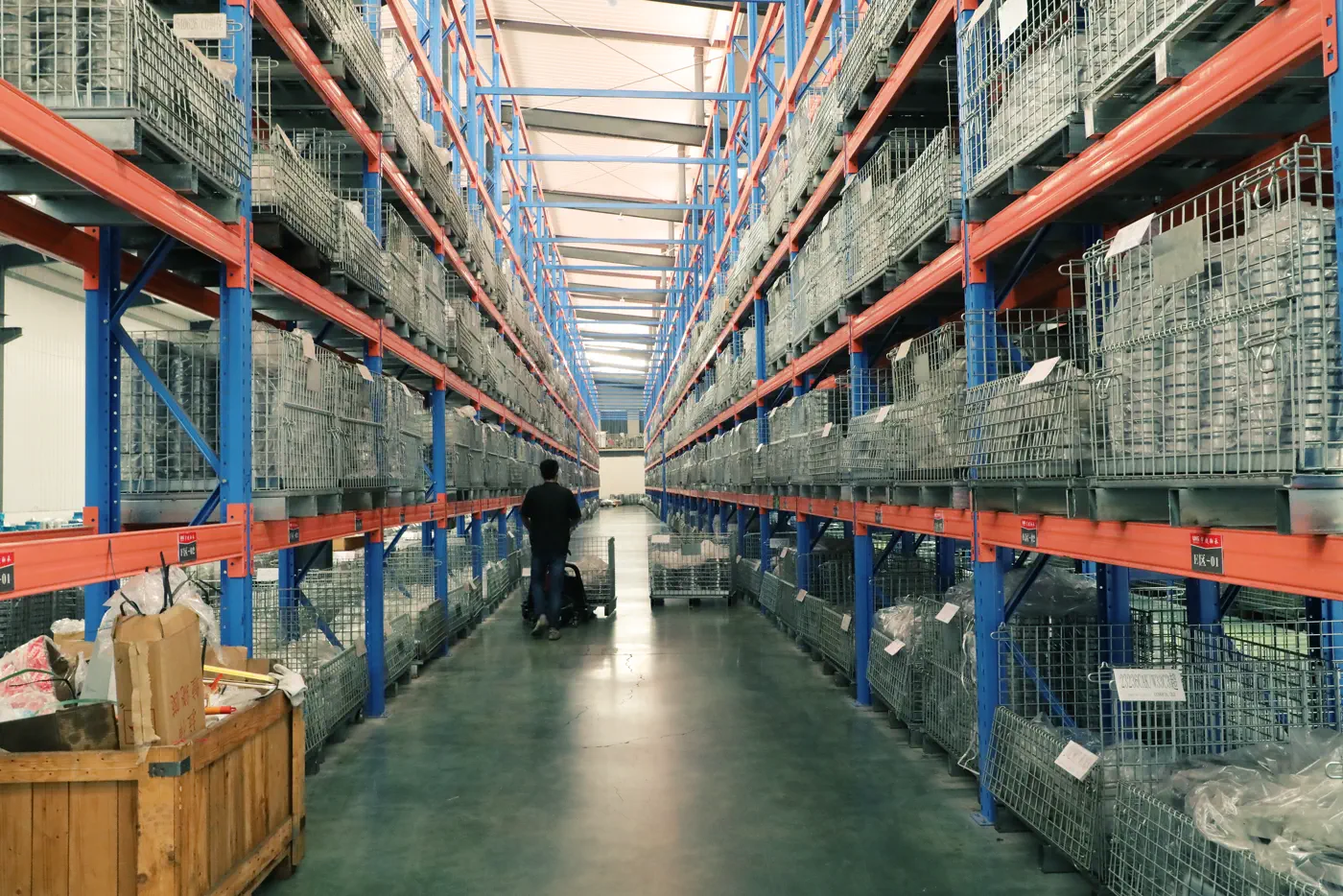
The operational warehouse photo is identified as real media. Technical composites and diagrams are treated as explanatory visuals.
Role-based review ownership
Model intake, engineering checks, quality documents, sourcing, and shipment questions have defined review responsibilities.
Public technical examples
Model and application examples show the evidence path without inventing customer names, testimonials, or performance results.
Official Technical Document Directory
Published dimensions, load ratings, geometry, and mass can be used as general catalog parameters. Suffix, accuracy, preload, sealing, lubrication, holes, and final fit remain configuration-specific.
Cross-Roller Ring catalog
Reference for RB, RE, RU and related manufacturer terminology and catalog data.
Official sourceCrossed Roller Bearings catalog
Reference for CRB and CRBH terminology, dimensions, structures, and model data.
Official sourceCrossed roller bearing publication
Reference for XU, XSU, XV and adjacent catalog terminology.
Official sourceCatalog and CAD review path
Use TFL's resource page to prepare the model, drawing, mounting interface, and CAD question for review.
Review path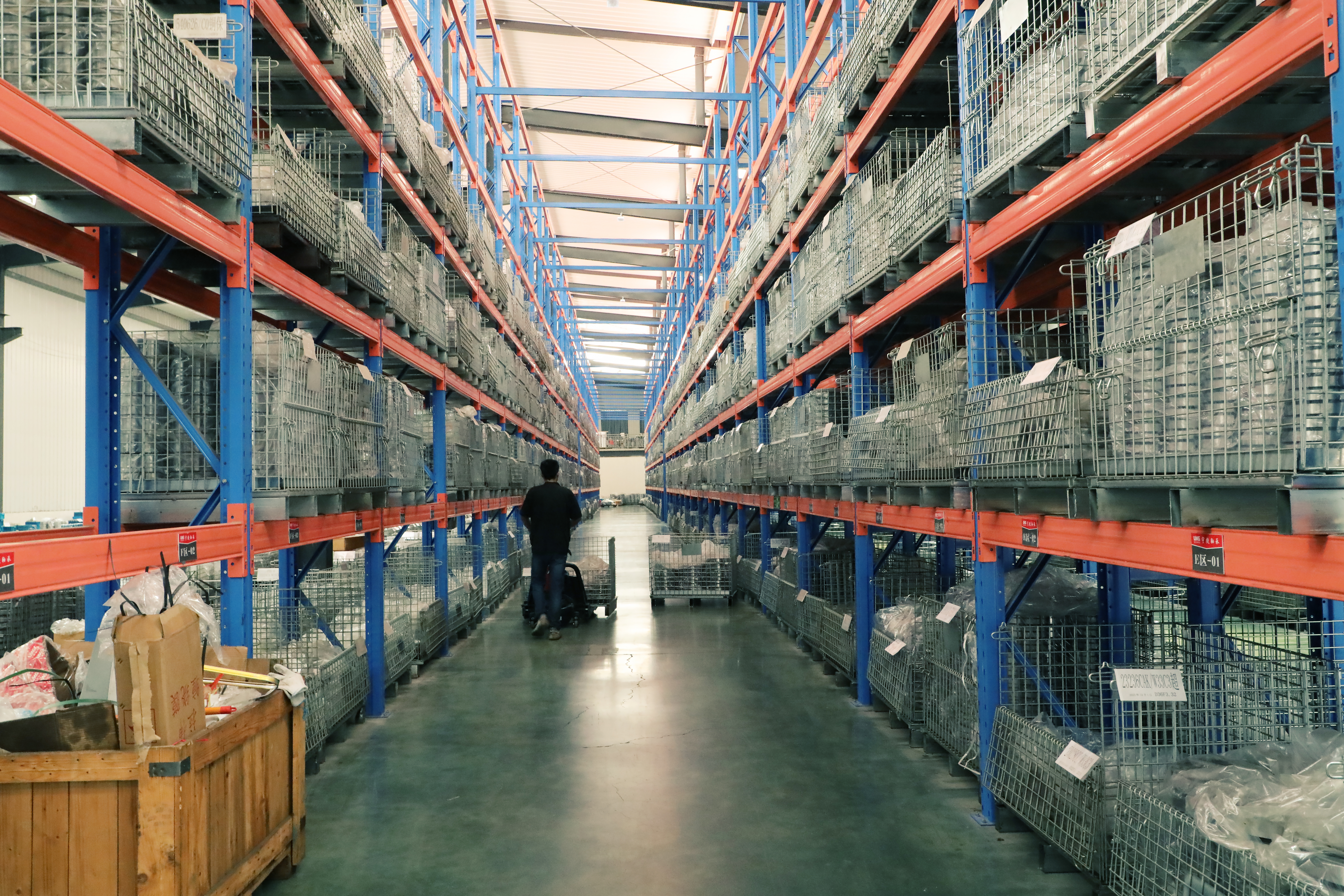
Media Evidence and Labeling
This warehouse image is an operational photograph in the TFL media library. It supports a supply-network context only; it does not prove that every item is TFL-owned stock or immediately available.
Technical Review Roles
The site describes accountable review functions rather than publishing unverified biographies or employee counts.
Model and drawing review
Checks model code, markings, dimensions, drawing revision, photos, quantity, and unresolved fit questions.
Application and interface review
Checks ring structure, mounting, load direction, speed, preload, rigidity, accuracy, lubrication, and environment.
Inspection and document review
Checks measurement method, inspection scope, requested record, packaging, destination, and order context.
Quotation and shipment review
Checks sourcing route, alternatives, quantity, timing, destination, documents, packaging, and consolidated shipment needs.
Evidence-Backed Technical Review Examples
These are public model and application review examples, not anonymous customer-success claims.
RB14025 evidence review
Shows how catalog dimensions and load data are separated from suffix, preload, precision, sealing, hole pattern, and final fit.
Review evidenceRU210 review route
Shows how marking, measured geometry, integrated-ring mounting, application, and quantity support replacement screening.
Review evidenceRobot joint purchase path
Shows how load path, compact envelope, stiffness, mounting, duty cycle, and RFQ details shape review.
Review evidenceRotary table purchase path
Shows how moment load, runout, seating faces, preload, lubrication, quantity, and timing enter the request.
Review evidenceHow Evidence Moves to Quotation
The review sequence keeps reusable catalog data available while preventing configuration-specific assumptions from becoming purchase promises.
Collect source evidence
Add the official catalog page, model code, drawing, photo, measured values, and previous order reference when available.
Separate common and configured fields
Use published dimensions and ratings, then identify suffix, preload, precision, seal, lubrication, hole, and fit questions.
Validate application and supply scope
Check mounting, loads, speed, duty, environment, quantity, destination, documents, packaging, and timing.
Prepare written quotation
Price, availability, lead time, inspection, documents, and shipment scope follow after the candidate route is reviewed.
Trust-Center RFQ Checklist
Send the evidence that lets the review team connect catalog facts to the actual product and purchasing condition.
Send Evidence for Review- Model code, complete suffix, marking photo, or source catalog page.
- Bore, outside diameter, width, hole pattern, seating face, and drawing revision.
- Application, radial/axial/moment load, speed, duty cycle, rigidity, and accuracy target.
- Preload or clearance, lubrication, sealing, temperature, contamination, and mounting notes.
- Quantity, destination, target timing, inspection, certificate, packaging, and shipment needs.
- Confirmed catalog facts and open configuration questions listed separately.
FAQ
Yes. Published dimensions, load ratings, geometry, and mass can be presented as general technical parameters with source attribution. Configuration fields still require model-specific confirmation.
No. This page identifies the operational warehouse photograph. Rendered product, laboratory, application, and workflow visuals are explanatory illustrations unless separately labeled.
No. They are public technical review examples built from model, catalog, and application evidence and do not claim customer identity or performance results.
The request is routed through model and drawing intake, application/interface review, inspection/document review, and quotation/shipment review according to its scope.