
Miniature Cross Roller Bearing
Send miniature bearing specification evidence, small-envelope dimensions, and sample or drawing reference, measured dimensions, mounting details, drawing or sample photo, compact rotary support, precision device, small automation axis, or limited-space replacement context, quantity, and target timing so TFL Bearings can review the specification route before RFQ.
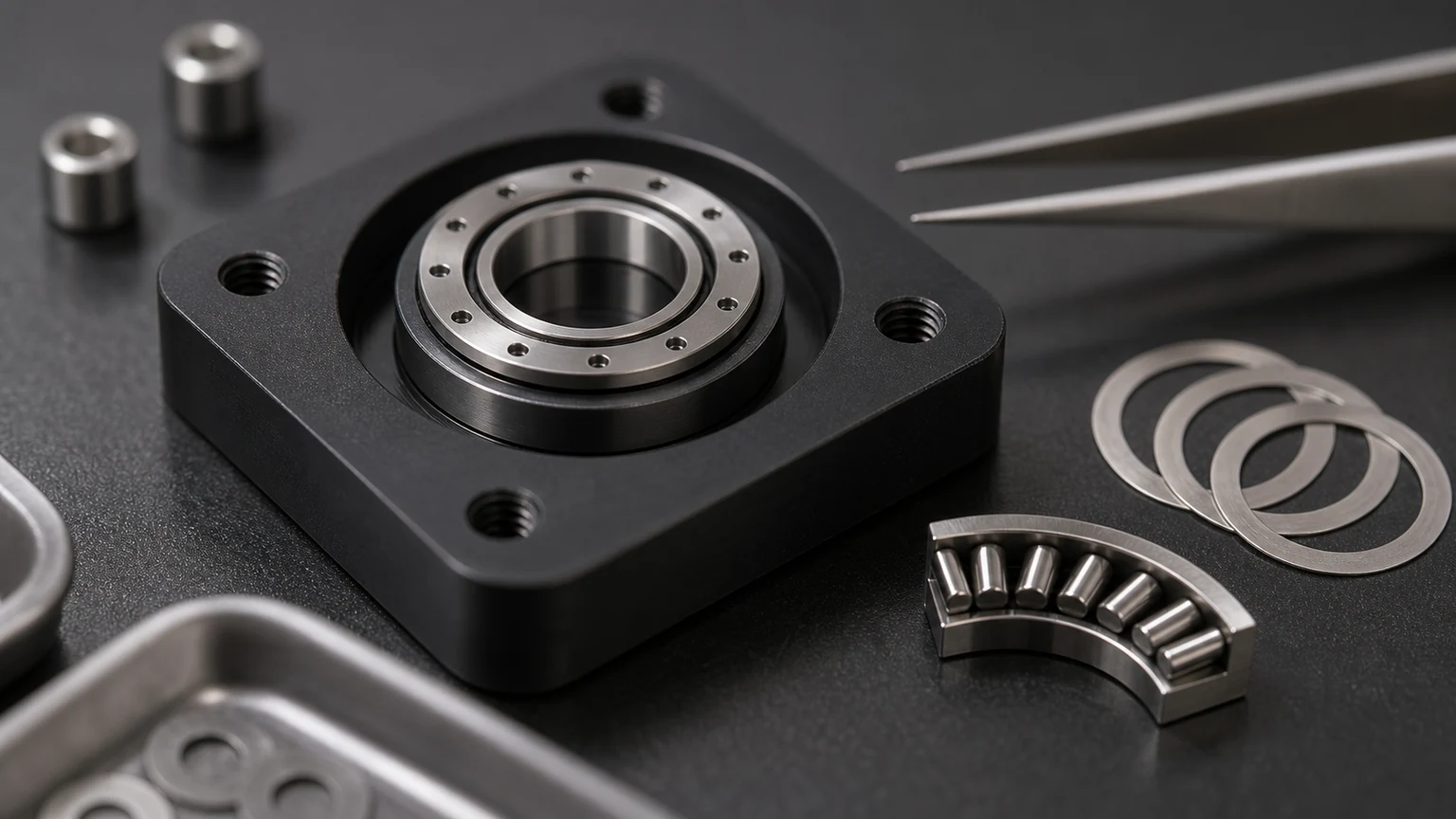
Specification Fit Review Before RFQ
Miniature Cross Roller Bearing requests should move from a product phrase into evidence that TFL Bearings can validate before quotation.
Specification scope
Start with miniature bearing specification evidence, small-envelope dimensions, and sample or drawing reference, not a category name alone.
Dimensions and ring form
Bore, OD, width, ring structure, hole pattern, and seating face shape the review path.
Load and motion context
compact rotary support, precision device, small automation axis, or limited-space replacement context should be included before selection or quotation decisions.
Quote-ready scope
Quantity, timing, destination, and document needs should arrive with the technical evidence.
Specification Review Checklist
A useful RFQ package separates confirmed evidence from assumptions before TFL Bearings prepares quotation follow-up.
Confirm identity
Send miniature bearing specification evidence, small-envelope dimensions, and sample or drawing reference, suffix notes, old order line, drawing reference, or clear sample photos.
Measure the envelope
Include bore, outside diameter, width, mounting holes, seating face, and any flange or split-ring structure.
Add operating context
State load direction, speed, duty cycle, preload or clearance, rigidity target, lubrication, and environment.
Clarify purchasing scope
List quantity, target timing, destination, inspection need, document scope, and unresolved fit questions.
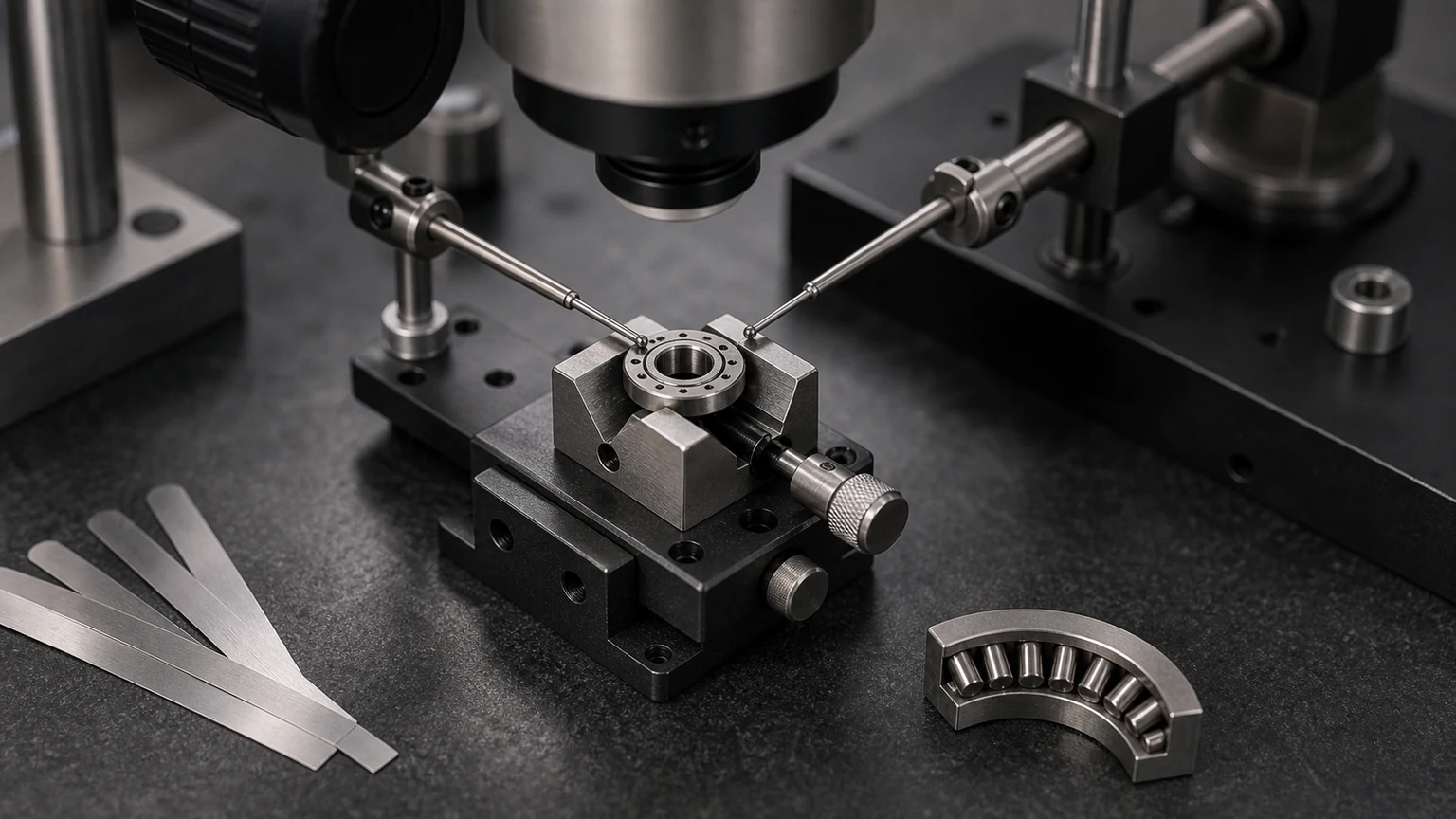
TFL Supply Chain Review Support
TFL Bearings acts as a bearing supply chain integrator, so model review can also cover sourcing route, cost-saving alternatives, inspection, documents, and export coordination after RFQ evidence is validated.
Pre-audited manufacturing resources
TFL Bearings can coordinate cross roller bearing options across reviewed China manufacturing resources when the RFQ includes model, drawing, quantity, and application evidence.
Cost-saving candidate review
For replacement or cross-reference work, TFL Bearings can review dimensional interchangeability, preload, accuracy, rigidity, mounting, and application limits before quotation.
BOM and shipment coordination
Mixed-model requests can be reviewed for one PO, combined shipment, inspection, export packaging, and document support when the order scope is clear.
Engineering Review Boundary
Boundary wording follows supplier action, evidence requirement, risk boundary, and RFQ next step.
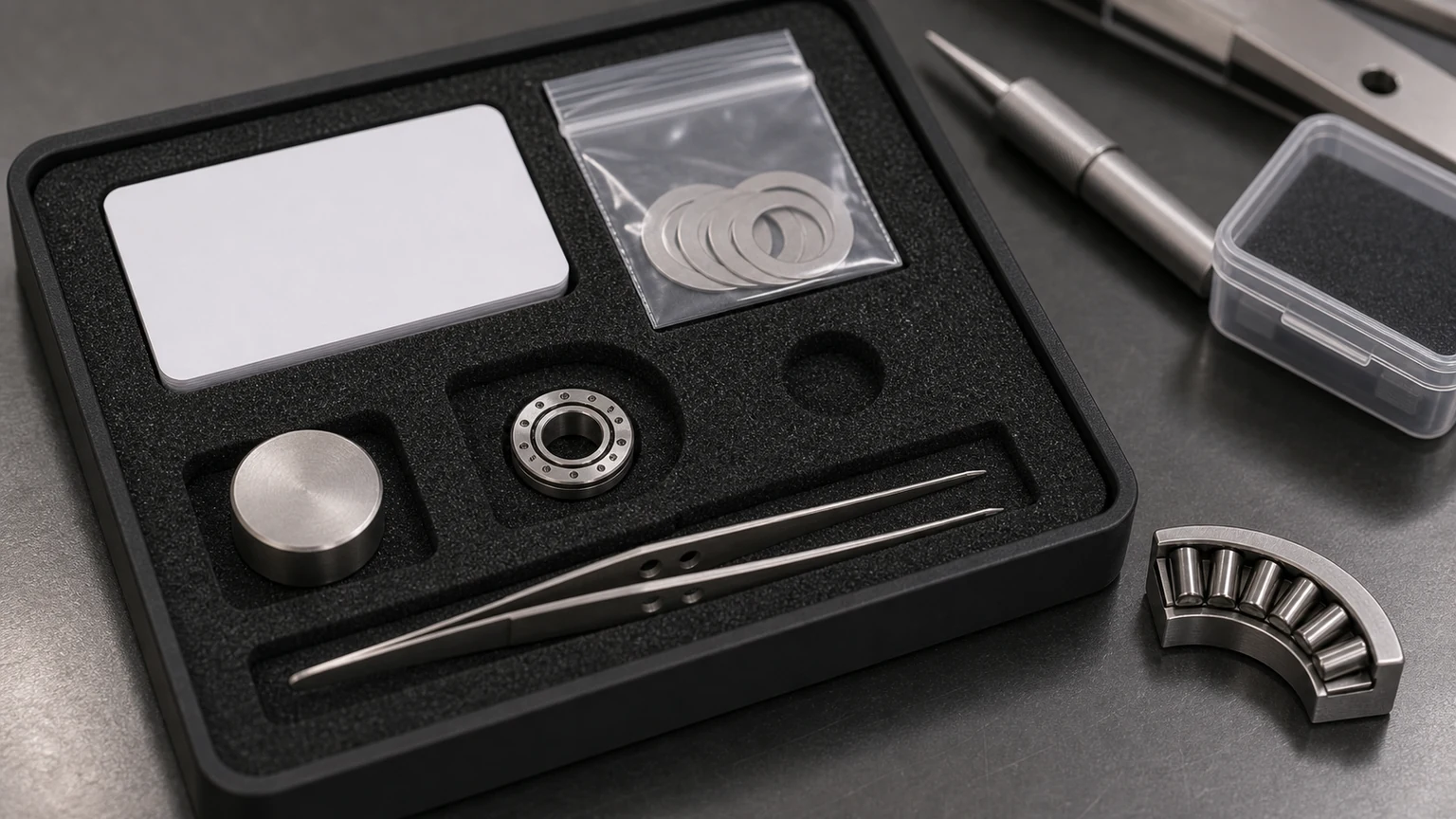
What to Send TFL Bearings
A complete request helps TFL Bearings screen the route before discussing price, timing, or document scope.
Specification Selection Decision Layer
TFL Bearings reviews Miniature Cross Roller Bearing by checking product identity, dimensions, mounting, application duty, preload or clearance, material condition, and RFQ scope.
miniature bearing specification evidence, small-envelope dimensions, and sample or drawing reference
Defines whether the request starts as specification selection, exact model confirmation, replacement validation, or drawing review.
Bore, OD, width, ring structure, mounting holes, and seating face
Prevents a size-only match from becoming a premature fit assumption.
compact rotary support, precision device, small automation axis, or limited-space replacement context
Can change preload, rigidity, accuracy, lubrication, material, or product-family route before quotation.
Quantity, timing, destination, inspection need, and document scope
Moves the request from engineering review into quotation follow-up when evidence is clear.
Application Fit Notes Before Quotation
The same product phrase or model can require a different review path when mounting, load direction, material, or precision needs change.
RFQ Process Depth Layer
TFL Bearings separates evidence intake from quotation preparation so fit and availability claims stay tied to provided facts.
Evidence intake
TFL Bearings checks product or model evidence, measured dimensions, drawing, photos, application, quantity, and timing before choosing the review route.
Engineering validation
Ring structure, mounting interface, preload, rigidity, speed, load direction, material condition, and application limits are checked before quote preparation.
RFQ route decision
The request moves to quotation, product-family review, replacement review, or missing-evidence follow-up after the technical route is clear.
Practical RFQ Checklist
Prepare these details before asking TFL Bearings to review Miniature Cross Roller Bearing.
Send Specification Details- Exact product name, model code, suffix, old marking, or drawing reference.
- Bore, OD, width, ring structure, mounting holes, seating face, and adjacent interface.
- Drawing, sample photo, measured sketch, application photo, or old purchase line.
- Load direction, speed, duty cycle, preload or clearance, rigidity target, lubrication, and environment.
- Quantity, target timing, destination, inspection need, and document scope.
- Confirmed facts and open fit questions separated before quotation review.
Product and RFQ Review Paths
Use these review paths to connect provided evidence with the next sourcing, application, replacement, or RFQ action.
Precision bearing review
Use when preload, runout, or compact accuracy drives the request.
Review optionCore product family
Compare the parent crossed roller bearing route.
Review optionCatalog and CAD review
Use drawing evidence before quotation review.
Review optionRFQ submission
Send miniature bearing evidence for review.
Review optionFAQ
Send model or product evidence, bore, OD, width, mounting interface, drawing or photo, application, load direction, quantity, and target timing.
Partial evidence can start screening, but TFL Bearings needs measured dimensions, ring structure, mounting evidence, and application context before quotation follow-up.
No. Similar dimensions are candidate evidence only. Mounting, preload, accuracy, ring structure, material condition, and machine duty should be checked together.
Availability, price, and timing are reviewed after TFL Bearings validates the model route, dimensions, drawing or photo evidence, application, quantity, and destination.
Yes. A clear drawing can support review when it shows dimensions, ring structure, mounting interface, load direction, and application context.