
Cross Roller Bearing vs Ball Bearing Selection Review
Send load direction, moment load, rigidity target, space envelope, rotation smoothness, mounting details, application, quantity, and timing so TFL Bearings can review the bearing route before RFQ.
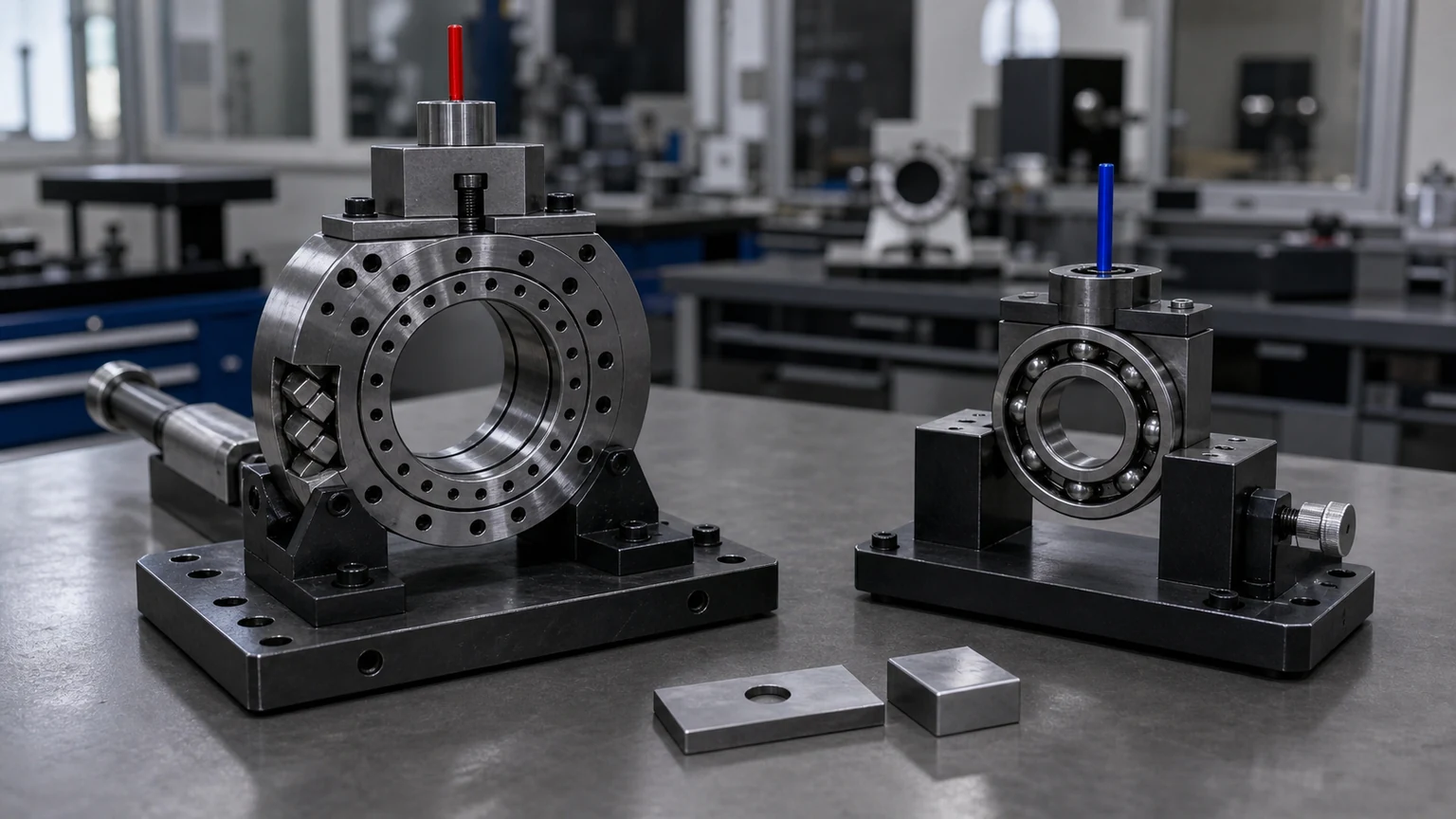
Cross Roller vs Ball Bearing Selection Review
TFL Bearings reviews the selection tradeoff by checking load direction, moment support, rigidity, envelope, smoothness, mounting, and RFQ evidence.
Combined load and moment
Cross roller bearings are often reviewed where radial, axial, and moment load combine in a compact structure.
Space and mounting limits
Bearing route can change when the machine has tight height, diameter, or bolt-pattern limits.
Smoothness and torque
Ball bearing options may remain suitable when loads, rigidity, and precision requirements are lower.
Application evidence first
TFL Bearings needs machine context before treating either bearing route as quote-ready.
Selection Evidence Before RFQ
A useful comparison should define the operating need rather than asking for a generic bearing category.
Define load direction
State radial, axial, moment, overturning, indexing, oscillation, or continuous rotation conditions.
Confirm envelope limits
Send bore, OD, width, mounting holes, shaft and housing interface, and available space.
State performance driver
Clarify rigidity, runout, preload, rotation smoothness, torque, speed, heat, or cost sensitivity.
Tie to RFQ scope
Add application, quantity, timing, destination, and document needs for TFL Bearings review.
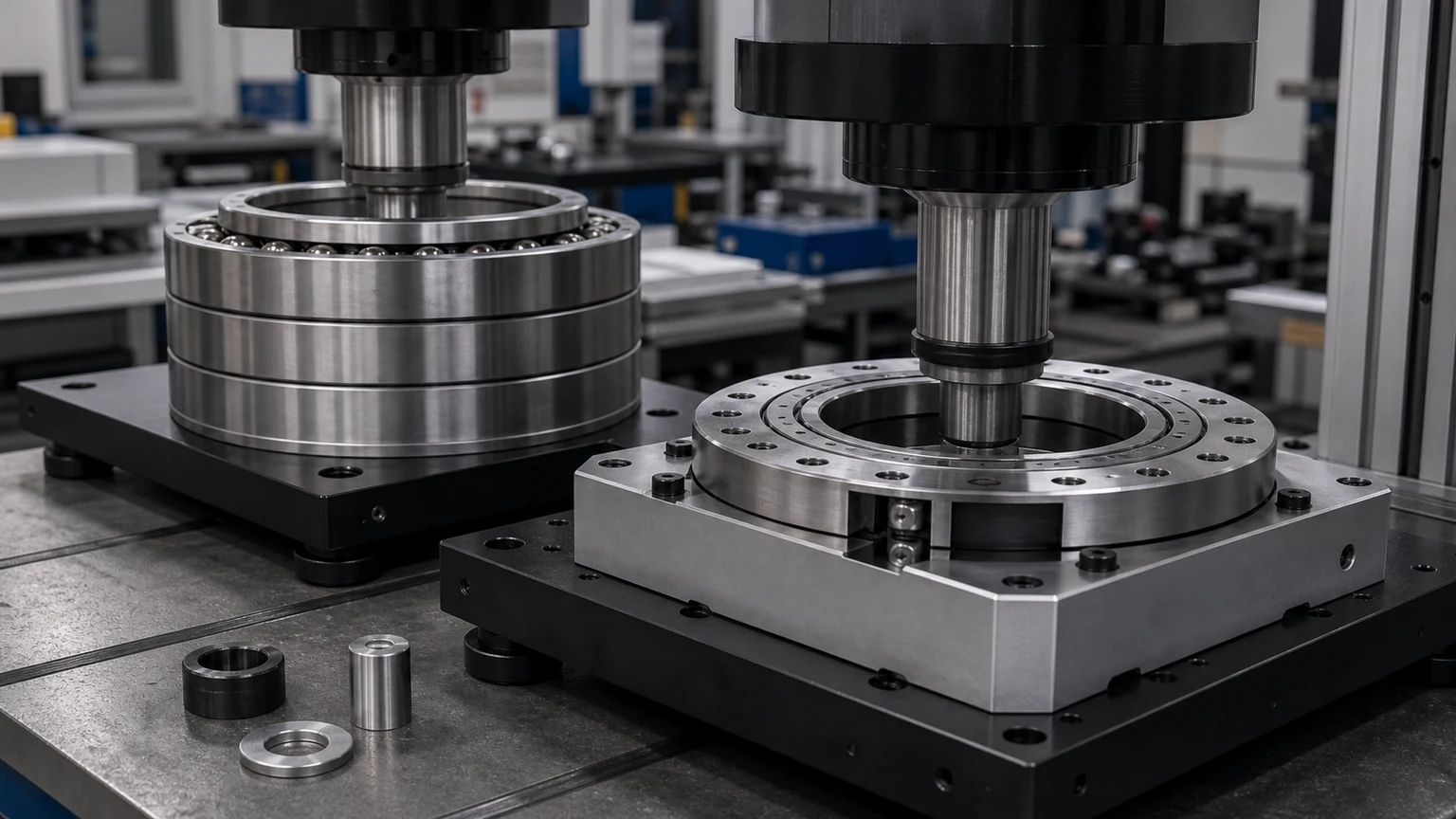
TFL Supply Chain Review Support
TFL Bearings acts as a bearing supply chain integrator, so model review can also cover sourcing route, cost-saving alternatives, inspection, documents, and export coordination after RFQ evidence is validated.
Pre-audited manufacturing resources
TFL Bearings can coordinate cross roller bearing options across reviewed China manufacturing resources when the RFQ includes model, drawing, quantity, and application evidence.
Cost-saving candidate review
For replacement or cross-reference work, TFL Bearings can review dimensional interchangeability, preload, accuracy, rigidity, mounting, and application limits before quotation.
BOM and shipment coordination
Mixed-model requests can be reviewed for one PO, combined shipment, inspection, export packaging, and document support when the order scope is clear.
Support Review Boundary
Boundary wording follows supplier action, evidence requirement, risk boundary, and RFQ next step.
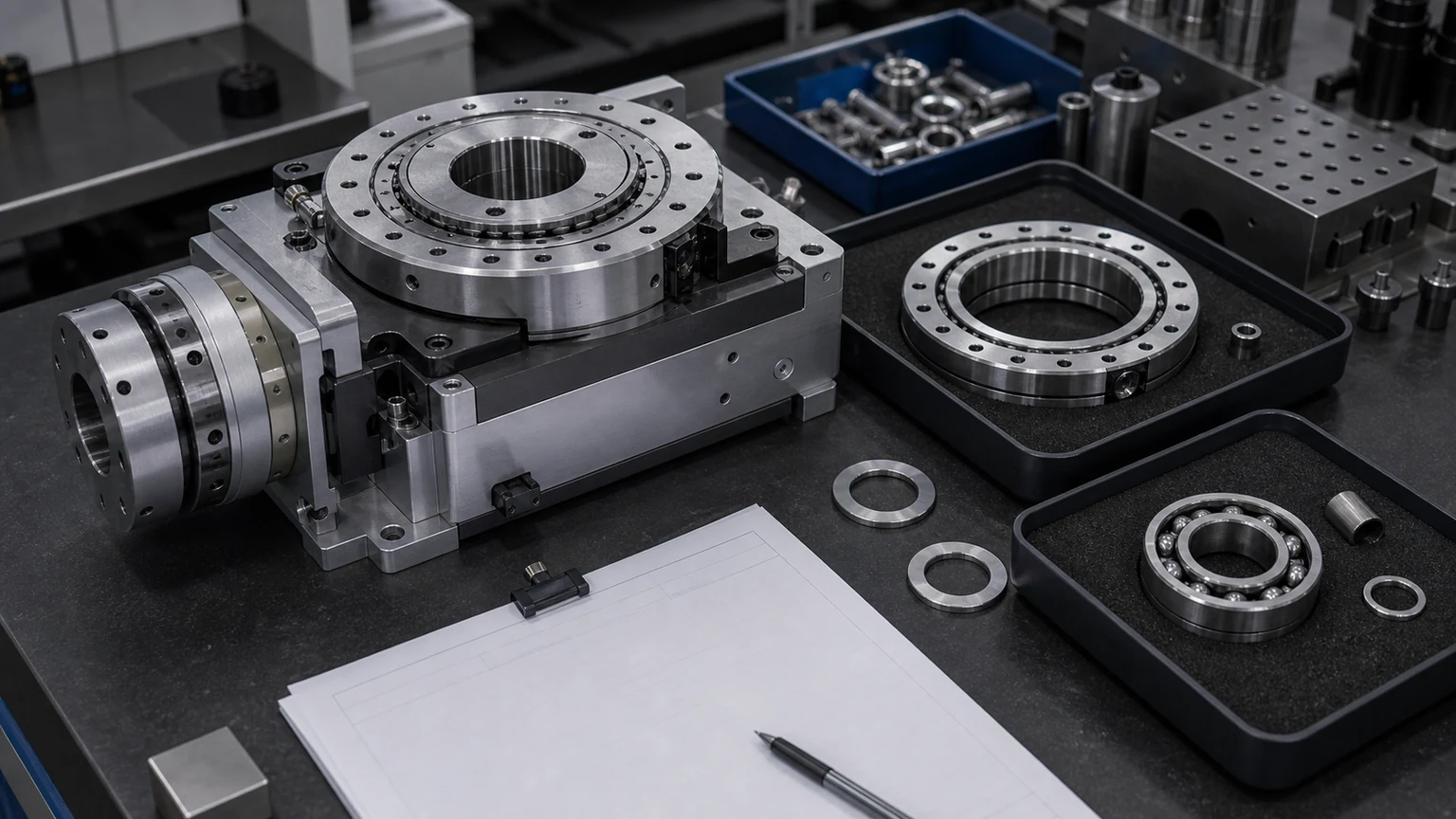
What to Send TFL Bearings
A support request becomes useful for quotation only when the technical evidence and purchasing scope arrive together.
Engineering Decision Layer
TFL Bearings reviews the comparison by identifying which performance condition drives selection and what evidence is available for quotation.
Radial, axial, moment, and overturning loads
Combined loads can move the request toward cross roller bearing review.
Deflection limit, preload need, runout, and repeatability
High rigidity may require a different route than a simple radial support request.
Available height, diameter, bolt pattern, shaft, housing, and mounting face
Space and interface limits can remove otherwise possible bearing options.
Speed, indexing, oscillation, lubrication, heat, and maintenance access
May keep a ball bearing route suitable or require cross roller support review.
Application Fit Notes
TFL Bearings reviews the support topic against the machine condition before treating the request as quote-ready.
RFQ Process Depth Layer
The support review path separates reference evidence from quotation evidence before pricing or timing discussion.
Evidence intake
TFL Bearings checks the submitted model evidence, drawing, dimensions, application condition, quantity, timing, sourcing goal, and open technical question.
Engineering screening
Load direction, mounting interface, preload, lubrication, rigidity, speed, heat, replacement route, and document scope are reviewed before quotation follow-up.
RFQ route decision
The request is routed to product review, replacement review, missing-evidence follow-up, BOM consolidation, or quotation after the support evidence is validated.
Practical RFQ Checklist
Prepare comparison evidence so TFL Bearings can validate whether the RFQ belongs to cross roller review, ball bearing review, or another support route.
Request Selection Review- Current bearing model, target bearing family, drawing, or machine assembly evidence.
- Bore, OD, width, shaft, housing, mounting holes, seating face, and available envelope.
- Radial, axial, moment load, rigidity target, speed, rotation mode, and duty cycle.
- Preload, clearance, runout, torque, heat, lubrication, and environment requirements.
- Application, quantity, target timing, destination, inspection need, and document scope.
- The exact selection question blocking RFQ review.
Selection Evidence Review Paths
Use these review paths to connect provided evidence with the next sourcing, application, replacement, or RFQ action.
Cross roller bearing product review
Use when combined load and compact rigidity drive the request.
Review optionPrecision bearing review
Use when accuracy, runout, or preload stability is central.
Review optionApplication review hub
Connect bearing route to machine condition.
Review optionRFQ evidence intake
Send selection evidence for TFL Bearings review.
Review optionFAQ
TFL Bearings reviews the comparison when combined loads, moment load, rigidity, envelope, mounting, speed, or precision conditions affect the RFQ route.
Yes. A ball bearing route may remain suitable when load, rigidity, envelope, and accuracy needs are modest, but TFL Bearings needs application evidence before review.
Send model evidence, dimensions, drawing or machine assembly, load direction, rigidity target, speed, lubrication, application, quantity, timing, and document needs.
No. Price and timing are reviewed only after TFL Bearings validates the product route, application evidence, quantity, and RFQ scope.