
Cross Roller Bearing Design and Material Review
Send material choice, environment, coating or corrosion questions, model evidence, drawing, dimensions, application, quantity, and timing so TFL Bearings can review whether the design and material topic changes the RFQ route.
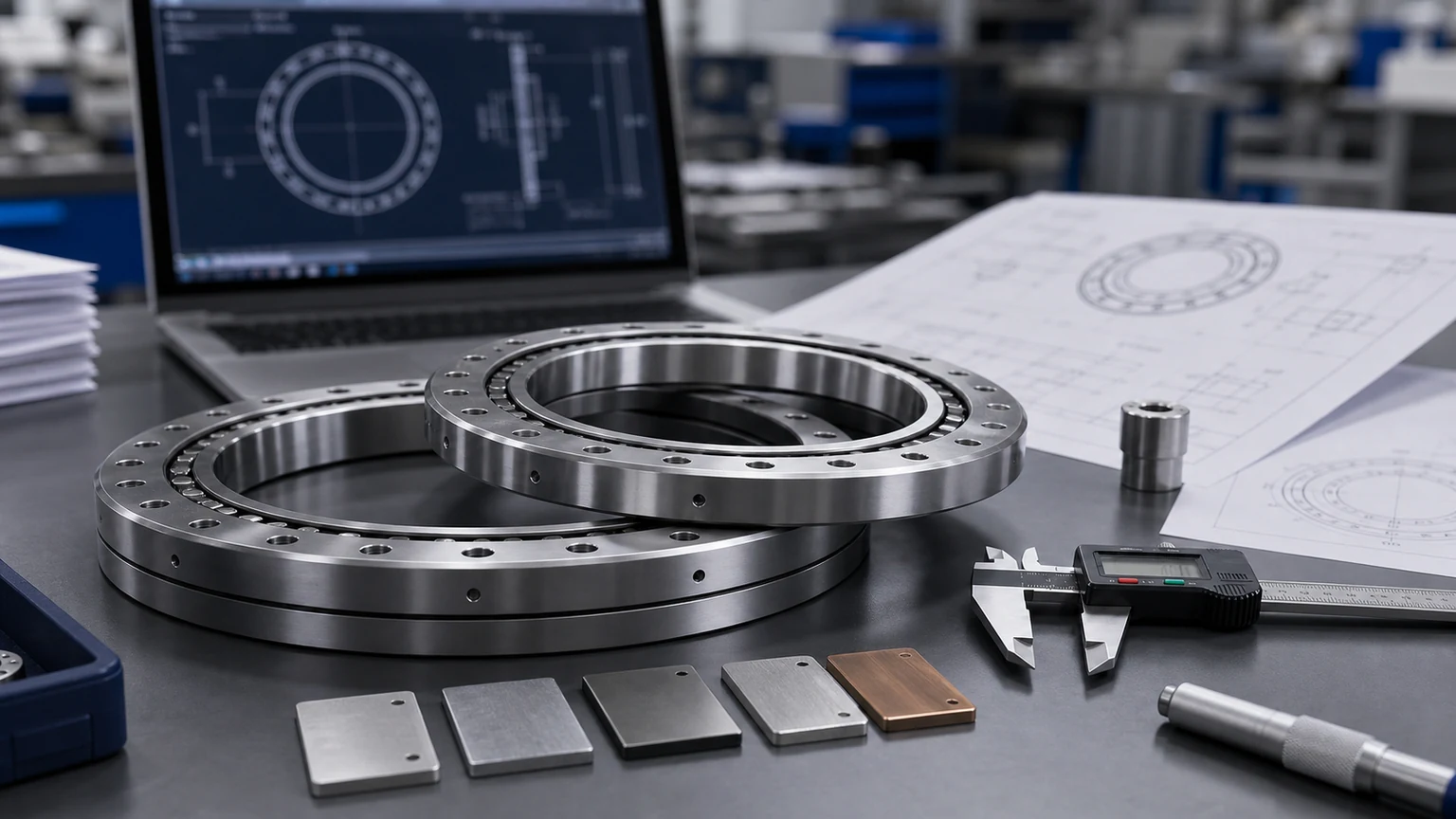
Design and Material Evidence Review
TFL Bearings reviews cross roller bearing design and material as engineering evidence for selection, replacement, troubleshooting, or RFQ routing.
Support data before quote
TFL Bearings treats support details as RFQ evidence, not as standalone article content.
Dimensions and interface
Bore, OD, width, mounting holes, seating faces, drawings, and photos can change fit review.
Duty and operating limits
Load direction, moment load, speed, rigidity, lubrication, and environment shape the review path.
Open question control
The useful support request separates confirmed facts from missing details before quotation.
Design Material Review Checklist
A useful cross roller bearing design and material request should connect the support topic to model evidence, dimensions, mounting, application duty, and quotation context.
Identify the support question
State whether the issue concerns design, material, installation, symptoms, replacement risk, or document preparation.
Attach the technical evidence
Send drawing, photo, measured dimensions, mounting notes, inspection record, or symptom evidence tied to the real machine.
Connect application duty
Include machine type, load direction, speed, preload, accuracy, lubrication, environment, and service condition.
Prepare the RFQ path
Add quantity, timing target, destination, document needs, and the exact question that blocks purchasing review.
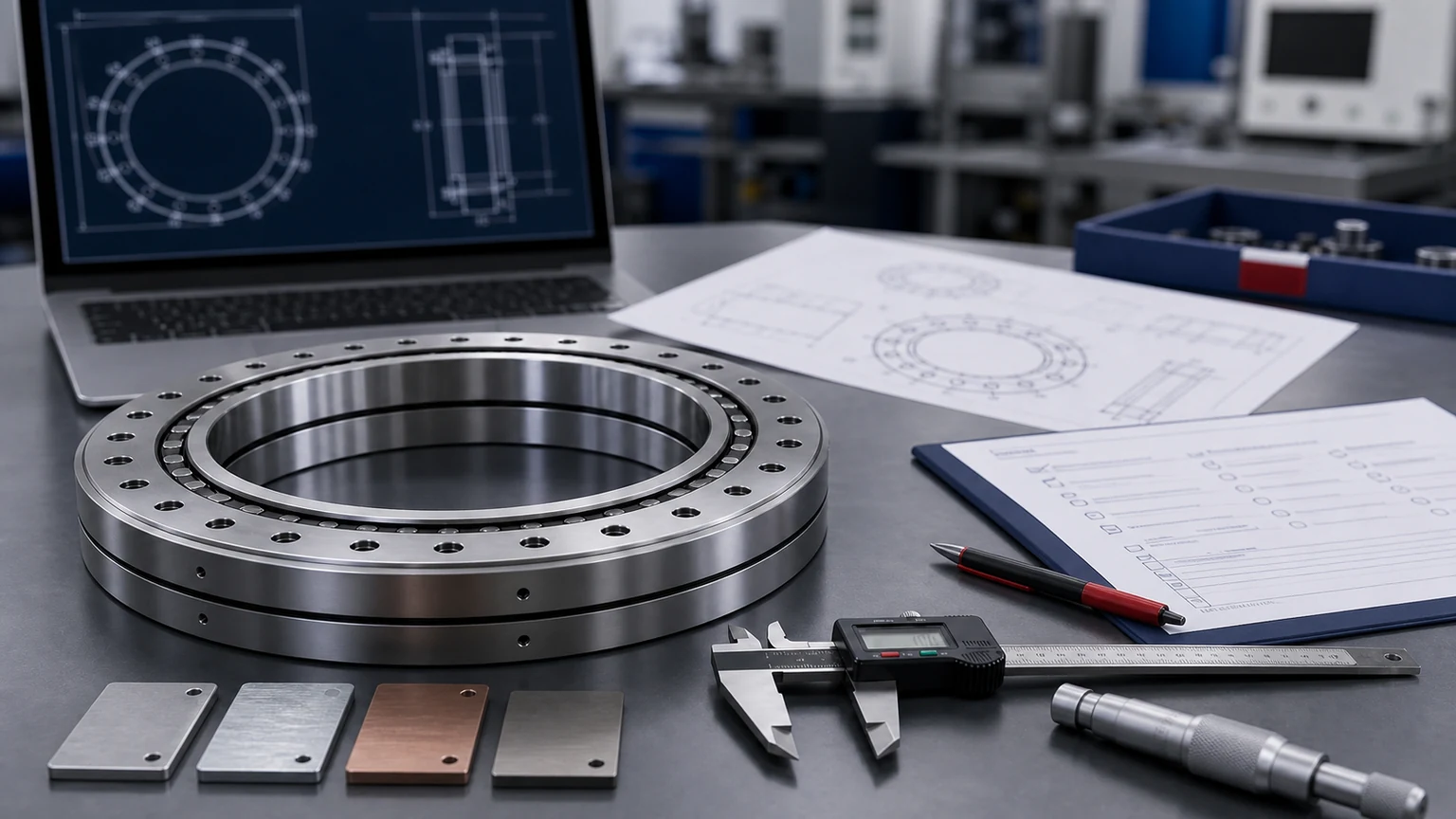
TFL Supply Chain Review Support
TFL Bearings acts as a bearing supply chain integrator, so model review can also cover sourcing route, cost-saving alternatives, inspection, documents, and export coordination after RFQ evidence is validated.
Pre-audited manufacturing resources
TFL Bearings can coordinate cross roller bearing options across reviewed China manufacturing resources when the RFQ includes model, drawing, quantity, and application evidence.
Cost-saving candidate review
For replacement or cross-reference work, TFL Bearings can review dimensional interchangeability, preload, accuracy, rigidity, mounting, and application limits before quotation.
BOM and shipment coordination
Mixed-model requests can be reviewed for one PO, combined shipment, inspection, export packaging, and document support when the order scope is clear.
Review Boundary Before Quotation
Boundary wording follows supplier action, evidence requirement, risk boundary, and RFQ next step.
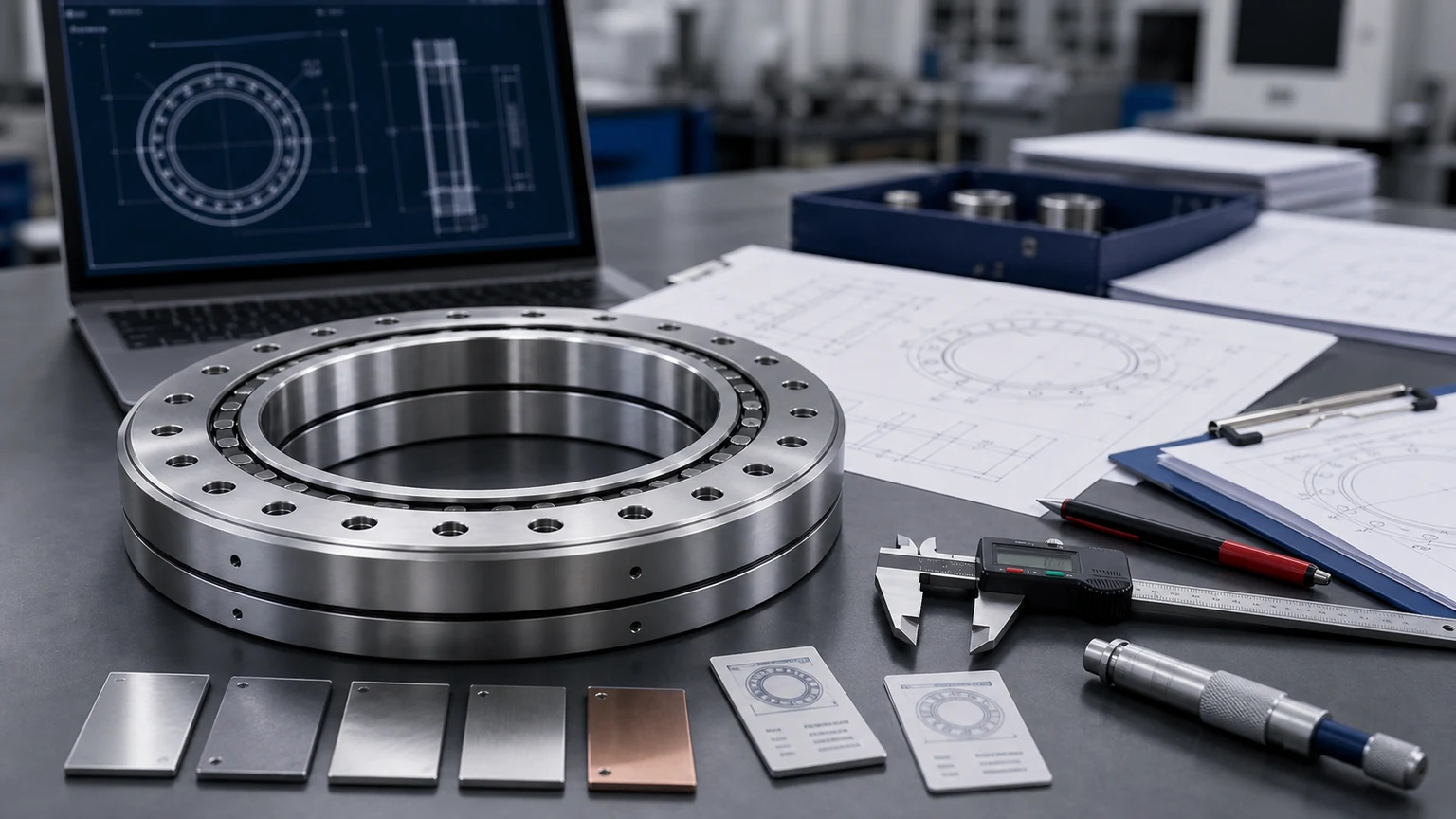
What to Send TFL Bearings
The RFQ path is stronger when support evidence arrives with dimensions, application context, and a clear review question.
Engineering Review Before RFQ
TFL Bearings checks whether cross roller bearing design and material changes the model route, mounting review, application fit, or quotation readiness.
Design material, installation, symptoms, or replacement preparation
Defines whether the request should route to support evidence, product review, replacement, or RFQ.
Model, dimensions, mounting, load direction, and application condition
Prevents support details from being treated as final fit confirmation without machine context.
Preload, rigidity, lubrication, accuracy, speed, and environment
Can change the correct review route before quote preparation.
Open questions, quantity, target timing, document need, and contact details
Moves the request from support research to quotation review or missing-data follow-up.
Application Evidence TFL Bearings Needs
Application fit should be reviewed before support evidence is treated as quote-ready.
RFQ Review Process Before Quote
The RFQ path separates confirmed facts from open questions before quotation.
Evidence selection
TFL Bearings identifies which design, material, installation, symptom, drawing, or replacement evidence applies to the request.
Engineering validation
The evidence is checked against model identity, dimensions, mounting, load direction, application, and quantity.
Boundary review
Reference information is separated from fit, availability, document, price, and timing decisions.
RFQ decision
Validated evidence is routed to quotation follow-up or a focused missing-evidence request.
RFQ Evidence Checklist
Prepare these details before asking TFL Bearings to review the support topic.
Send Evidence for RFQ Review- Model or drawing basis, old marking, sample photo, or support question.
- Bore, OD, width, mounting holes, seating faces, and nearby parts.
- Design material, installation, symptom, replacement, or document concern.
- Application duty, load direction, speed, rigidity, preload, lubrication, and environment.
- Quantity, destination, timing target, document or inspection needs.
- Missing information listed as open questions.
Related Evidence, Replacement, and RFQ Links
Use these review paths to connect provided evidence with the next sourcing, application, replacement, or RFQ action.
Resource evidence hub
Route support evidence before quotation.
Review optionProduct family review
Connect support questions to product selection.
Review optionReplacement review
Use when old model or symptoms trigger replacement review.
Review optionRFQ submission
Send evidence for validation before quote.
Review optionFAQ
Send the model or drawing basis, measured dimensions, mounting details, photos, application conditions, load direction, quantity, target timing, and any document or inspection needs.
No. TFL Bearings can review the topic as RFQ evidence, but fit depends on validated model evidence, dimensions, mounting interface, application duty, quantity, and timing.
Model identity, bore, outside diameter, width, mounting interface, preload or clearance, load direction, rigidity, lubrication, application, quantity, and target timing can change the review path.
This request focuses on material choice, corrosion exposure, ceramic or stainless options, coating needs, operating temperature, and design evidence, so the evidence package should answer those points before TFL Bearings treats the inquiry as quote-ready.
Send the evidence package with open questions clearly marked. TFL Bearings can then decide whether the next step is product sourcing, replacement review, drawing review, troubleshooting, or application fit review before quotation.