
FAQ & RFQ Help Center
Use this help center to prepare cross roller bearing questions before RFQ review. The fastest route is to send model evidence, dimensions, drawing or photo, application, quantity, timing, and the exact decision you need.
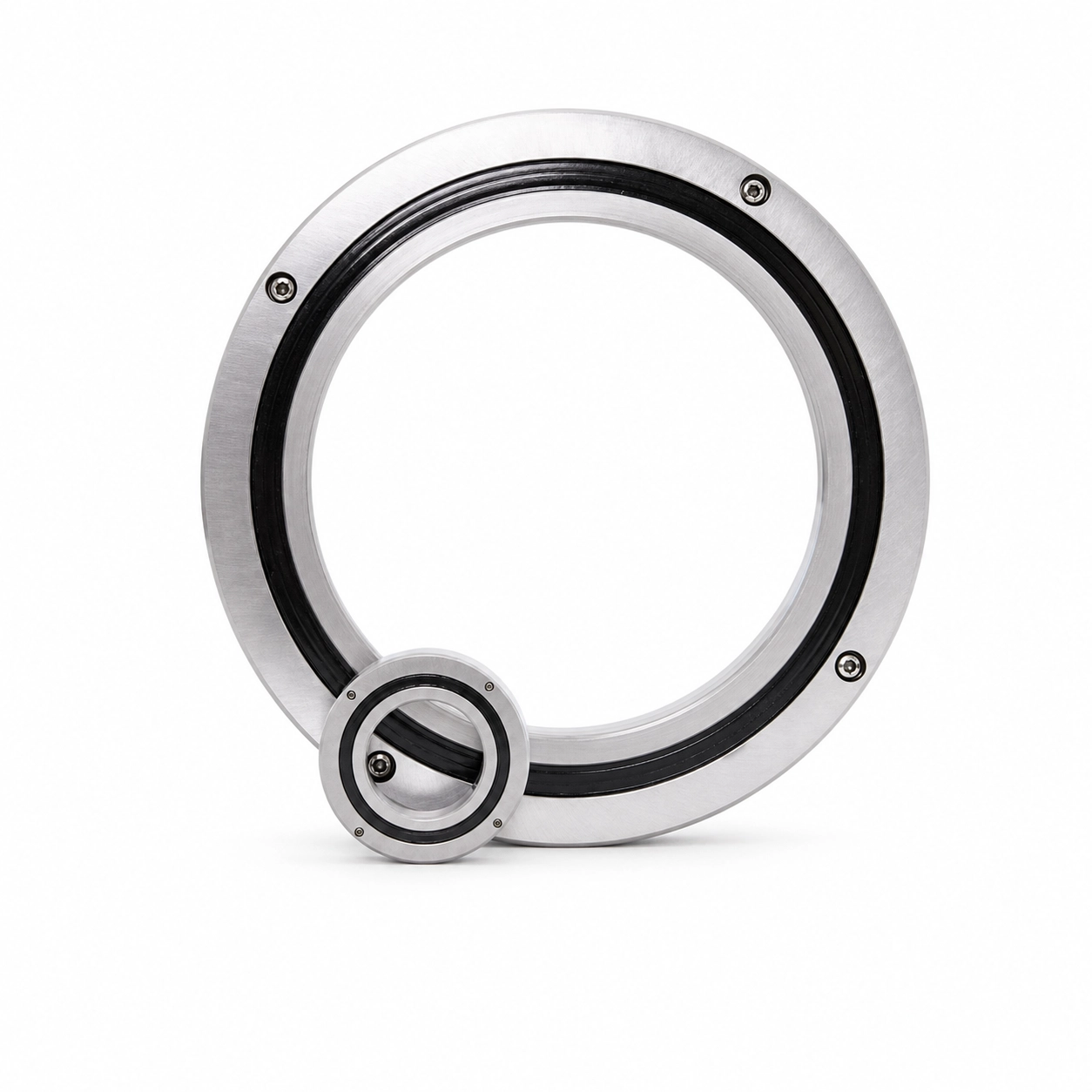
Choose the Question Type
Start from the buying or engineering decision, then prepare the evidence needed for review.
Price and Quote Review
Prepare the facts TFL Bearings needs before price, timing, or quotation follow-up.
Orders and Shipment Scope
Connect purchasing terms, packaging, destination, and document needs to the RFQ package.
Technical Support
Use drawings, measurements, installation details, and application duty to route engineering questions.
Cross Reference and Replacement
Keep old brands, model codes, sample photos, and measured values tied to replacement risk.
Custom and Drawing Review
Frame non-standard dimensions, material needs, and special mounting before custom RFQ review.
Quality and Documents
Tie ISO, RoHS, REACH, CoC, testing, material, and packing document questions to the actual RFQ scope.
After-Sales and Problem Evidence
Separate symptoms from root-cause assumptions before replacement, repair, or support review.
Partnership and Sourcing
Route distributor, OEM, maintenance, and long-term sourcing requests into evidence-based RFQ review.
Fast RFQ Evidence Checklist
Most FAQ questions become easier to answer when these details are included in the first message.
Send RFQ Package- Model, marking, suffix, or old order line.
- Bore, OD, width, mounting holes, seating face, and ring structure.
- Drawing, CAD file, measured sketch, or sample photos.
- Application, load direction, speed, duty cycle, rigidity, and accuracy target.
- Quantity, target timing, destination, packaging, inspection, and document needs.
- Confirmed facts and open questions separated clearly.
FAQ Answers by Topic
Each answer stays tied to RFQ evidence and avoids unsupported promises about price, stock, timing, or final fit.
Price and Quote Review
Send the model or marking, bore, OD, width, drawing or photo, application, load direction, quantity, target timing, destination, and document needs.
A model number can start review, but TFL Bearings may still need dimensions, suffix, mounting interface, preload or clearance, application, and quantity before quotation follow-up.
Price and timing can be reviewed after the product route, dimensions, application context, quantity, destination, and document scope are clear.
Orders and Shipment Scope
Include quantity, target timing, destination country, packaging needs, inspection needs, document scope, and the contact person who can confirm technical details.
Yes. Destination, packaging, handling risk, quantity, and requested documents can affect the review scope before quotation follow-up.
Send the technical evidence first when fit, model route, dimensions, or document scope is uncertain. A purchase order should match the reviewed product and RFQ scope.
Technical Support
Yes. Send the application, load direction, motion type, speed, rigidity or accuracy target, mounting structure, available space, quantity, and timing.
Send the drawing, CAD reference, measured values, mounting hole pattern, seating face, adjacent parts, application condition, quantity, and open fit questions.
Yes. Include model evidence, mounting method, preload or clearance condition, lubricant notes, speed, heat behavior, duty cycle, and the exact issue blocking RFQ review.
Cross Reference and Replacement
Send the old brand, model, suffix, marking photo, measured dimensions, drawing or sample photos, mounting details, application, quantity, and timing.
No. A candidate reference still needs dimension, mounting, preload, accuracy, application, and RFQ validation before it can be treated as a reviewed route.
Useful photos show the marking, both bearing faces, mounting holes, ring structure, adjacent parts, removed sample condition, and installation context.
Custom and Drawing Review
Yes. Send the drawing, target dimensions, material or rigidity needs, mounting interface, load direction, application, quantity, timing, and open feasibility questions.
A sample or sketch can start screening when it includes measured dimensions, photos, mounting references, application duty, quantity, and the reason a standard model does not fit.
No. MOQ, price, timing, feasibility, and document scope depend on the reviewed drawing, dimensions, quantity, material requirement, and production route.
Quality and Documents
Send model evidence, drawing, measured values, inspection method, application, load direction, quantity, destination, and the exact quality or document concern.
TFL can review RFQ-specific needs such as ISO 9001 context, RoHS, REACH, CoC or CO wording, material or testing certificates, CMRT, and ISPM 15 or IPPC packing notes when the product and order scope are clear.
No. Inspection records, certificates, compliance wording, packing notes, and export document scope depend on the reviewed bearing, destination, buyer wording, quantity, and order-specific requirements.
After-Sales and Problem Evidence
Send the model, photos, mounting condition, lubricant notes, load direction, speed, duty cycle, symptom timing, quantity, and whether the issue appears before or after installation.
No. Symptoms can guide review, but mounting, preload, lubrication, contamination, adjacent parts, and operating condition must be checked with real evidence.
Start replacement review when the old model, measured dimensions, photos, application context, failure symptoms, quantity, and target timing are available.
Partnership and Sourcing
Yes. Include product family, model list, drawings if available, annual or batch quantity, destination, document needs, timing, and technical decision points.
Send the product route, quality requirements, document scope, expected quantity, target applications, packaging needs, and the RFQ decision that needs support.
Yes. A mixed list should separate confirmed models, uncertain replacements, custom drawings, application notes, quantities, and timing so each route can be reviewed correctly.